
Ethiopia Travel Tips — Complete Guide for Visitors
Everything you need to know before visiting Ethiopia — visa requirements, best time to visit, packing list, health and vaccines, safety advice, currency, cultural etiquette, and why Ethiopia is a unique destination. Expert advice from Ethio Wildlife Tours, Ethiopia's leading tour operator.
Ethiopia Travel Tips
Packing List for Ethiopia
Ethiopia spans multiple climate zones — from the freezing Simien Mountains to the scorching Danakil Depression. Pack moisture-wicking layers, a warm fleece, and a waterproof jacket. Modest clothing covering shoulders and knees is required at all religious sites. Bring sturdy hiking boots, a headlamp, sunscreen SPF 50+, and insect repellent with DEET for lowland areas.
Cultural Etiquette in Ethiopia
Remove shoes before entering homes, churches, and mosques. Accept coffee ceremony invitations — it is a great honour. Ask permission before photographing people in tribal areas. Dress conservatively during religious festivals. Greet elders first and with both hands.
Health and Vaccines for Ethiopia
Yellow fever vaccination is mandatory from risk countries. Recommended vaccines: Hepatitis A, Hepatitis B, Typhoid, Rabies, and Meningococcal meningitis. Malaria prophylaxis required for areas below 2,000m. Drink only bottled or purified water.
Safety Advice for Ethiopia
The main tourist circuits are generally safe. Avoid border regions with Eritrea, Somalia, Sudan, and South Sudan. Use licensed tour operators for remote areas. Emergency number: 911.
Ethiopia Visa Information
Ethiopia Visa Requirements
Most nationalities require a visa. The e-visa is available at evisa.gov.et and takes 3–5 business days. Visa on arrival is available at Bole International Airport. Passport must be valid for 6+ months beyond your stay.
Ethiopia E-Visa Application
Apply at evisa.gov.et. Upload passport photo and bio-data page. Processing takes 3–5 business days. Apply at least 2 weeks before travel. Print your approval letter for immigration.
Ethiopia Visa Fees
E-visa 30-day single entry: approximately $52 USD. E-visa 90-day multiple entry: approximately $72 USD. Visa on arrival: approximately $50 USD for 30 days. Extensions cost approximately $20 USD per month at the Immigration Office in Addis Ababa.
Best Time to Visit Ethiopia
Dry Season Ethiopia (October to March)
The dry season is the prime time to visit. October and November offer lush post-rain landscapes with clear skies. December and January are peak season with Genna and Timkat festivals. February and March are excellent for wildlife viewing.
Wet Season Ethiopia (April to September)
Prices drop 20–40%. Blue Nile Falls is most dramatic in August. Meskel festival in late September. Some highland roads impassable June–August. Excellent for photography with dramatic skies and green landscapes.
Best Time for Simien Mountains Trekking
October to March. October and November offer the most dramatic scenery. Avoid June–August when heavy rains make trails dangerous. Gelada baboons present year-round.
Best Time for Danakil Depression Tours
November to February only. Temperatures reach 35–42°C even in this window. Armed security escort mandatory. Tours depart from Mekele — 2-night minimum recommended.
Ethiopia Weather Guide
Ethiopia has five distinct climate zones. Highlands above 2,400m (Addis Ababa, Lalibela, Gondar, Simien Mountains) are temperate with cool nights. The Rift Valley is warm and dry. Eastern lowlands are hot and arid. The Afar Depression is one of the hottest places on Earth. The southwestern highlands are tropical and humid — the birthplace of coffee.
Why Visit Ethiopia
Ethiopia is the only African country never colonised. It has 9 UNESCO World Heritage Sites — more than any other African country. It is the birthplace of coffee, the source of the Blue Nile, and where Lucy (3.2 million years old) was discovered. Ethiopia has its own unique alphabet (Ge'ez script), calendar (13 months), time system, and cuisine.
Ethiopia Currency and Costs
The Ethiopian Birr (ETB) is the official currency — approximately 145–155 ETB per USD. Exchange at Commercial Bank of Ethiopia. ATMs available in major cities but not in remote areas. Budget travel: $50–80 USD per day. Mid-range: $100–200 USD per day. Luxury: $300+ per day. Tip guides $10–20 USD per day, drivers $5–10 USD per day.
Frequently Asked Questions — Ethiopia Travel
What is the best time to visit Ethiopia?
The best time to visit Ethiopia is during the dry season from October to March. October and November offer lush post-rain landscapes with clear skies. December and January are peak season coinciding with Genna (Ethiopian Christmas) and Timkat (Epiphany) festivals. February and March are excellent for wildlife viewing.
Do I need a visa to visit Ethiopia?
Most nationalities require a visa to enter Ethiopia. The e-visa is available at evisa.gov.et and takes 3–5 business days to process. Visa on arrival is available at Bole International Airport in Addis Ababa. Your passport must be valid for at least 6 months beyond your intended stay.
What vaccinations do I need for Ethiopia?
Yellow fever vaccination is mandatory if arriving from a country with yellow fever transmission risk. Recommended vaccines include Hepatitis A, Hepatitis B, Typhoid, Rabies (for remote trekking), and Meningococcal meningitis. Malaria prophylaxis is required for areas below 2,000m including Awash, Omo Valley, and Gambella.
What should I pack for Ethiopia?
Pack moisture-wicking layers for multiple climate zones. Bring a warm fleece and waterproof jacket for highland evenings (Simien Mountains can drop below 0°C). Modest clothing covering shoulders and knees is required at religious sites. Sturdy hiking boots, headlamp, sunscreen SPF 50+, and insect repellent with DEET for lowland areas are essential.
Is Ethiopia safe for tourists?
Ethiopia is significantly safer than its reputation suggests. The main tourist circuits — Addis Ababa, Lalibela, Gondar, Axum, Simien Mountains, Bale Mountains, and Omo Valley — are well-established and generally safe. Avoid border regions with Eritrea, Somalia, Sudan, and South Sudan. Always use licensed tour operators for remote areas.
What currency is used in Ethiopia?
The Ethiopian Birr (ETB) is the official currency. The exchange rate is approximately 145–155 ETB per 1 USD. USD is widely accepted at hotels and tour operators. Exchange money at Commercial Bank of Ethiopia branches. Always carry small denomination ETB notes as vendors rarely have change for large notes.
When is the Danakil Depression safe to visit?
The Danakil Depression can only be safely visited between November and February. Even during this window, temperatures regularly reach 35–42°C. From March onwards, temperatures exceed 45°C and most operators suspend tours. All visits require armed security escorts provided by the Afar Regional Government — never visit independently.
What is the best time to trek the Simien Mountains?
The Simien Mountains are best visited between October and March. October and November offer lush post-rain vegetation with clear skies. November and December provide the clearest panoramic views. Avoid June–August when heavy rains make trails extremely muddy and cloud cover obscures views for days at a time.
How much does it cost to travel in Ethiopia?
Budget travellers can manage on $50–80 USD per day (guesthouses, local restaurants, minibus transport). Mid-range travel costs $100–200 USD per day. Luxury travel with premium lodges and private guides costs $300+ per day. All-inclusive tour packages from Ethio Wildlife Tours offer the best value and convenience.
What cultural etiquette should I follow in Ethiopia?
Always remove shoes before entering homes, churches, and mosques. Greet elders first and with both hands. Accept coffee ceremony invitations — it is a great honour. Ask permission before photographing people in tribal areas. Dress conservatively during religious festivals. Avoid pointing with one finger — use your whole hand.
Does Ethiopia have its own calendar?
Yes. Ethiopia uses its own calendar with 13 months — 12 months of 30 days plus a 13th month of 5 or 6 days. The Ethiopian calendar is approximately 7–8 years behind the Gregorian calendar. Ethiopia also uses a unique time system where the day begins at sunrise (6am Gregorian = 12:00 Ethiopian time).
Why is Ethiopia a unique travel destination?
Ethiopia is the only African country never colonised by a European power. It has 9 UNESCO World Heritage Sites — more than any other African country. It is the birthplace of coffee, the source of the Blue Nile, and where Lucy (3.2 million years old) was discovered. Ethiopia has its own unique alphabet, calendar, time system, and cuisine.
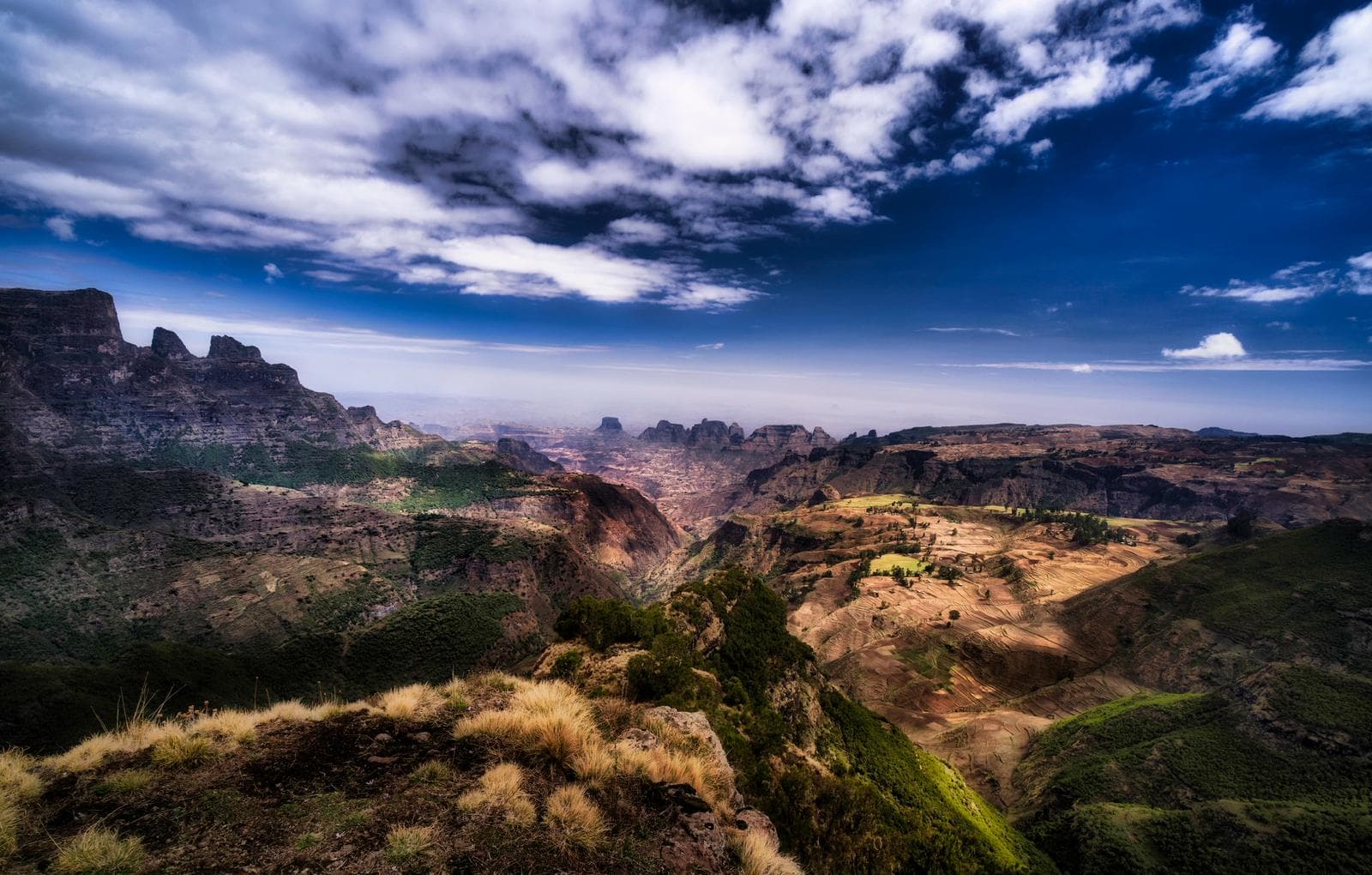
Ethiopia Travel Tips
Expert advice on visas, weather, packing, health, and everything you need for an unforgettable Ethiopian adventure
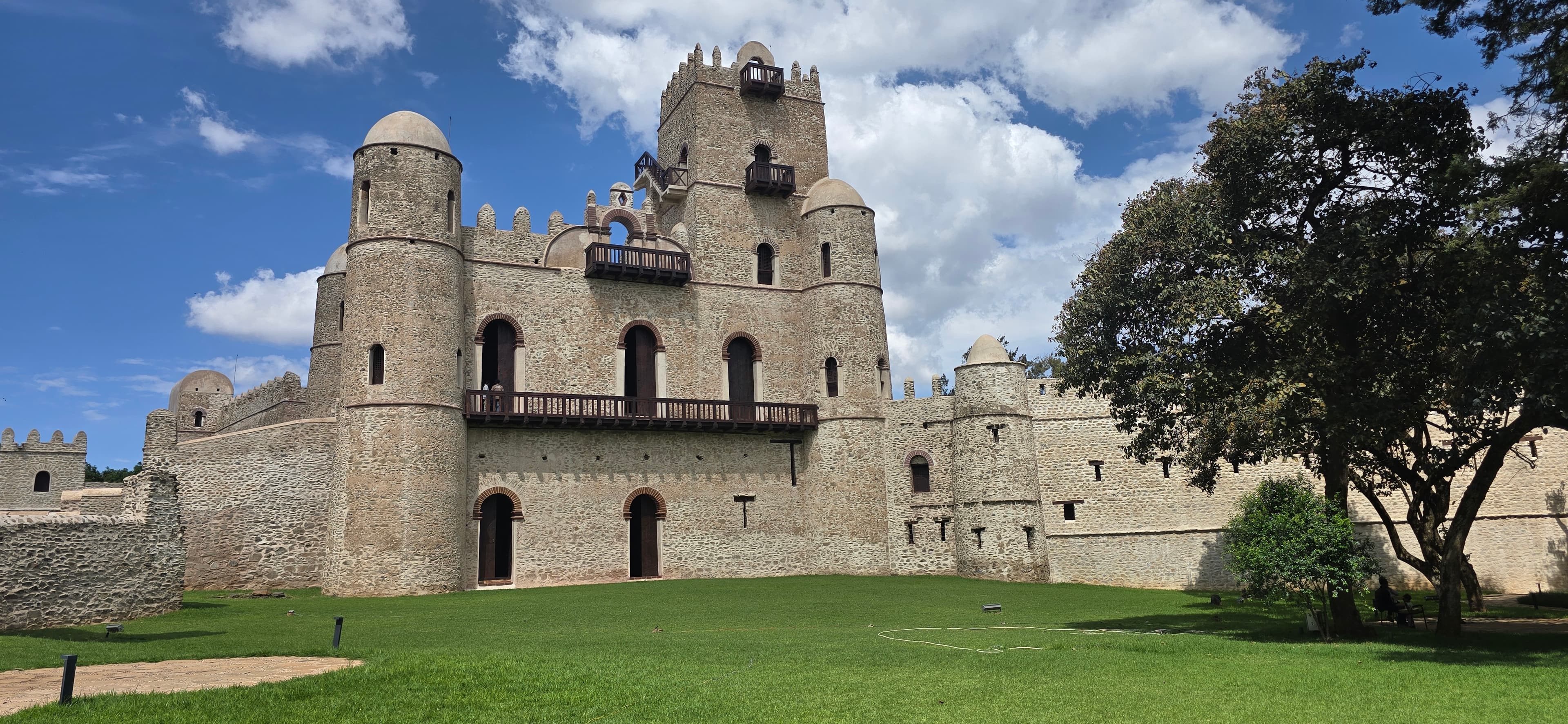
Plan Your Perfect Trip
From visa applications to cultural etiquette — our local experts share everything they know about travelling Ethiopia
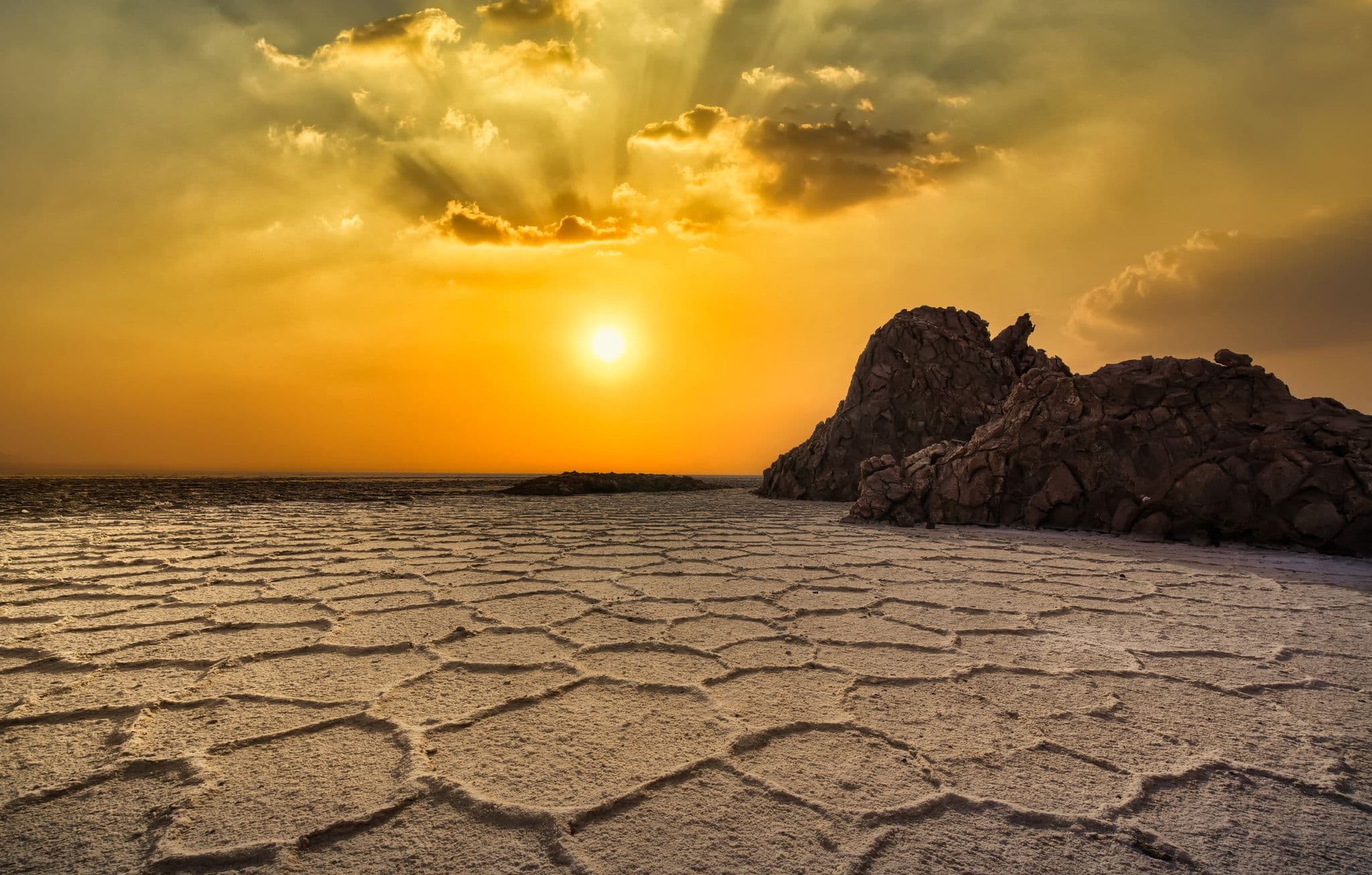
Know Before You Go
Practical, honest, and detailed travel information — written by guides who live and breathe Ethiopia every day
Travel Tips
Everything you need before you go
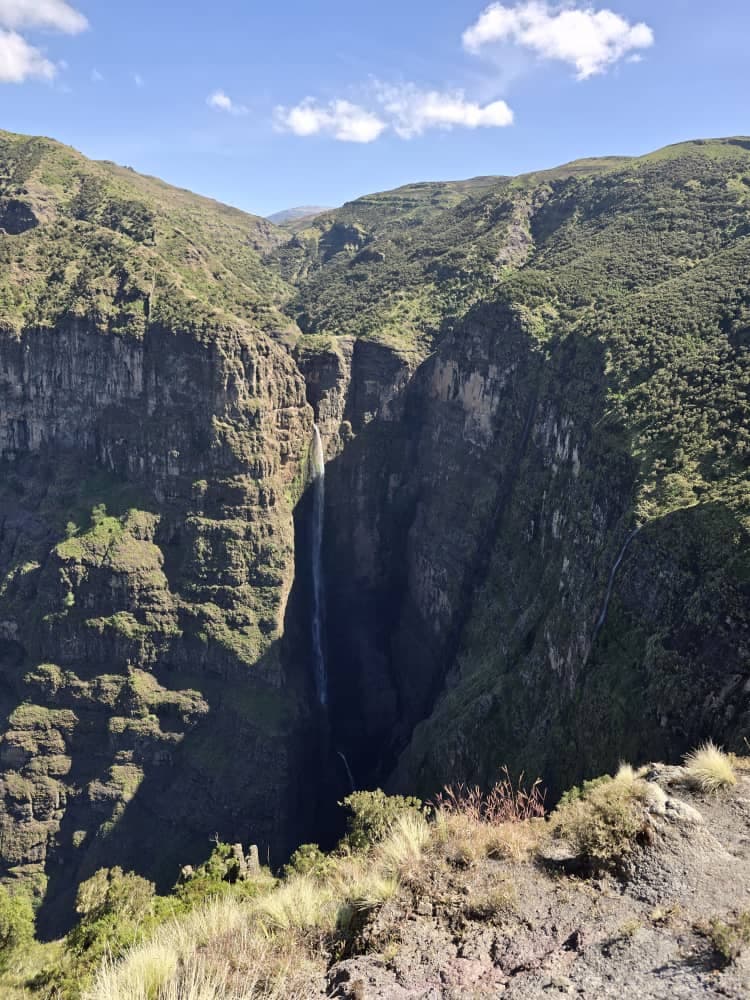
Everything you need before you go
Visa Info
Entry requirements made simple
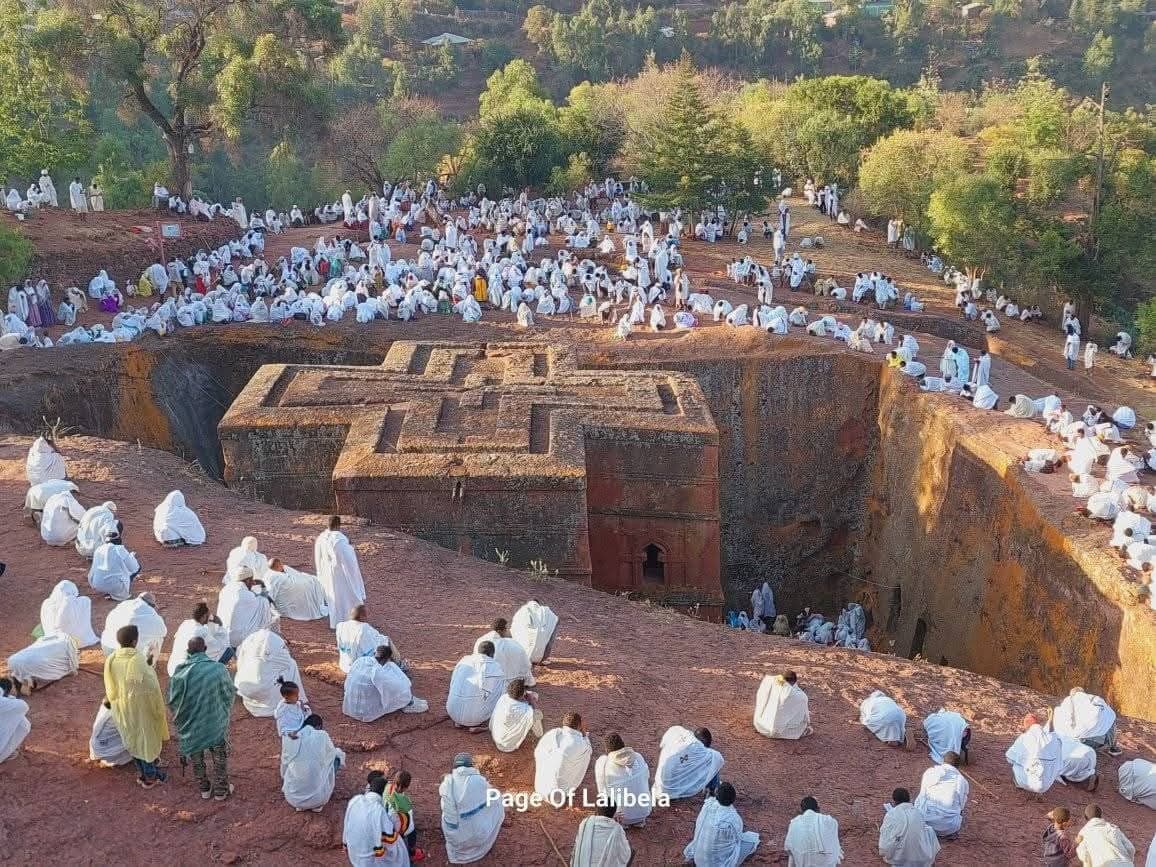
Entry requirements made simple
Best Time to Visit
Plan your trip around the seasons
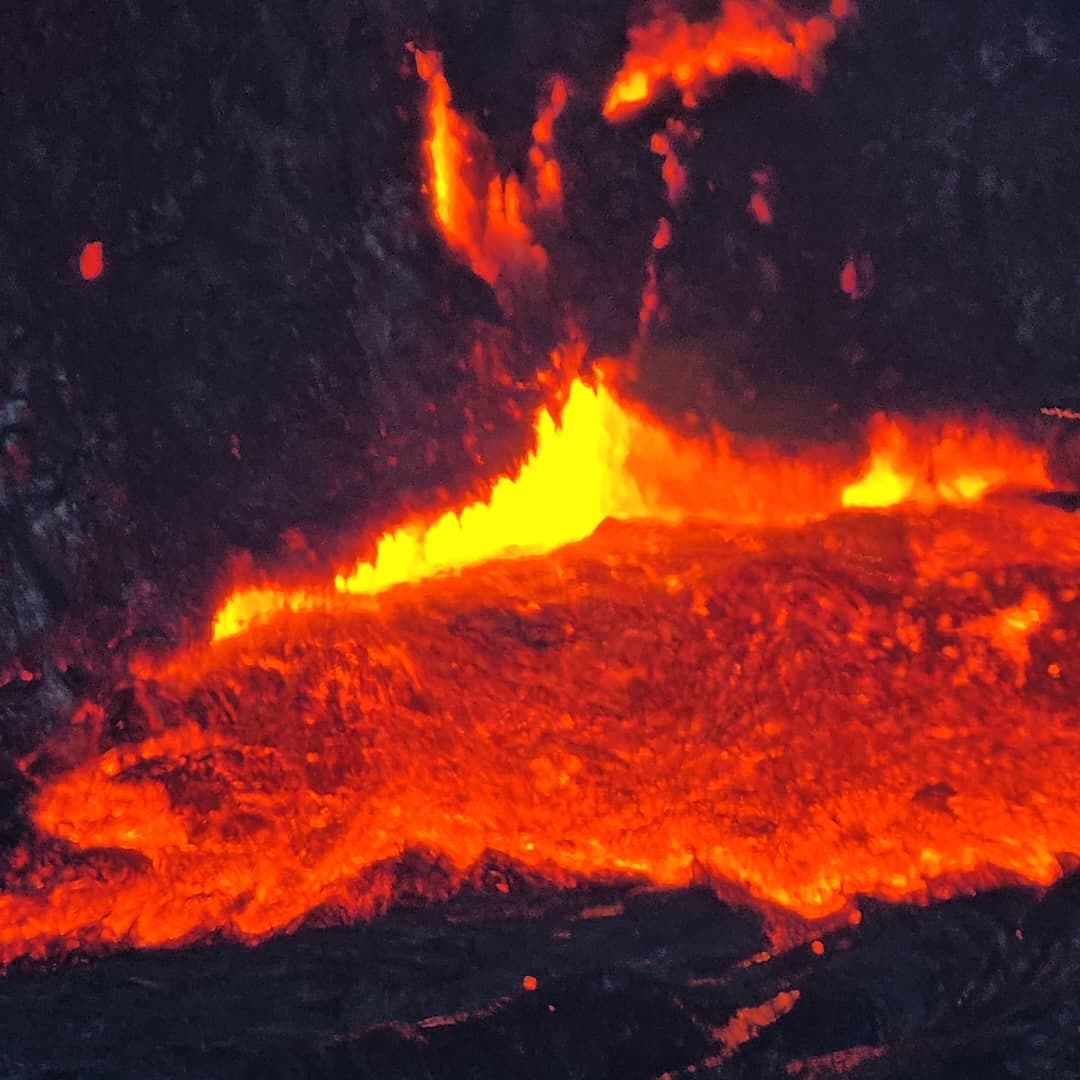
Plan your trip around the seasons
Weather
Know what to expect across Ethiopia
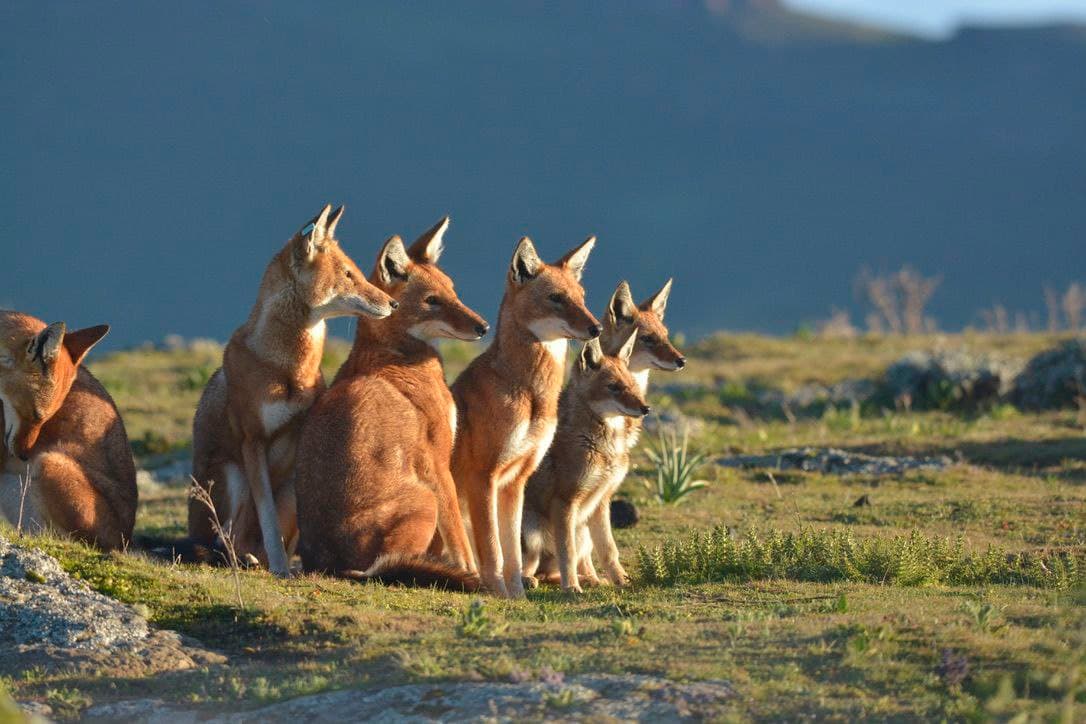
Know what to expect across Ethiopia
Why Ethiopia
A destination unlike any other on Earth
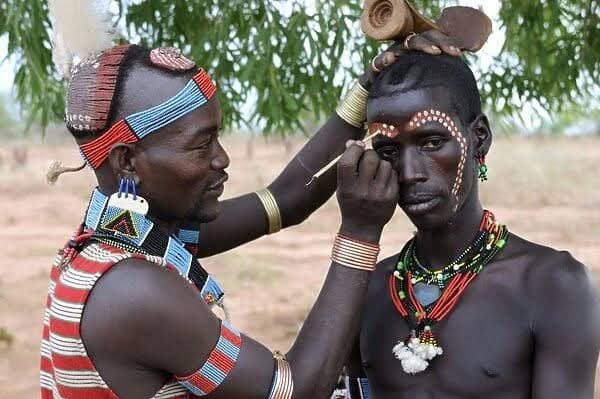
A destination unlike any other on Earth
Currency & Costs
Budget smart for your Ethiopia trip
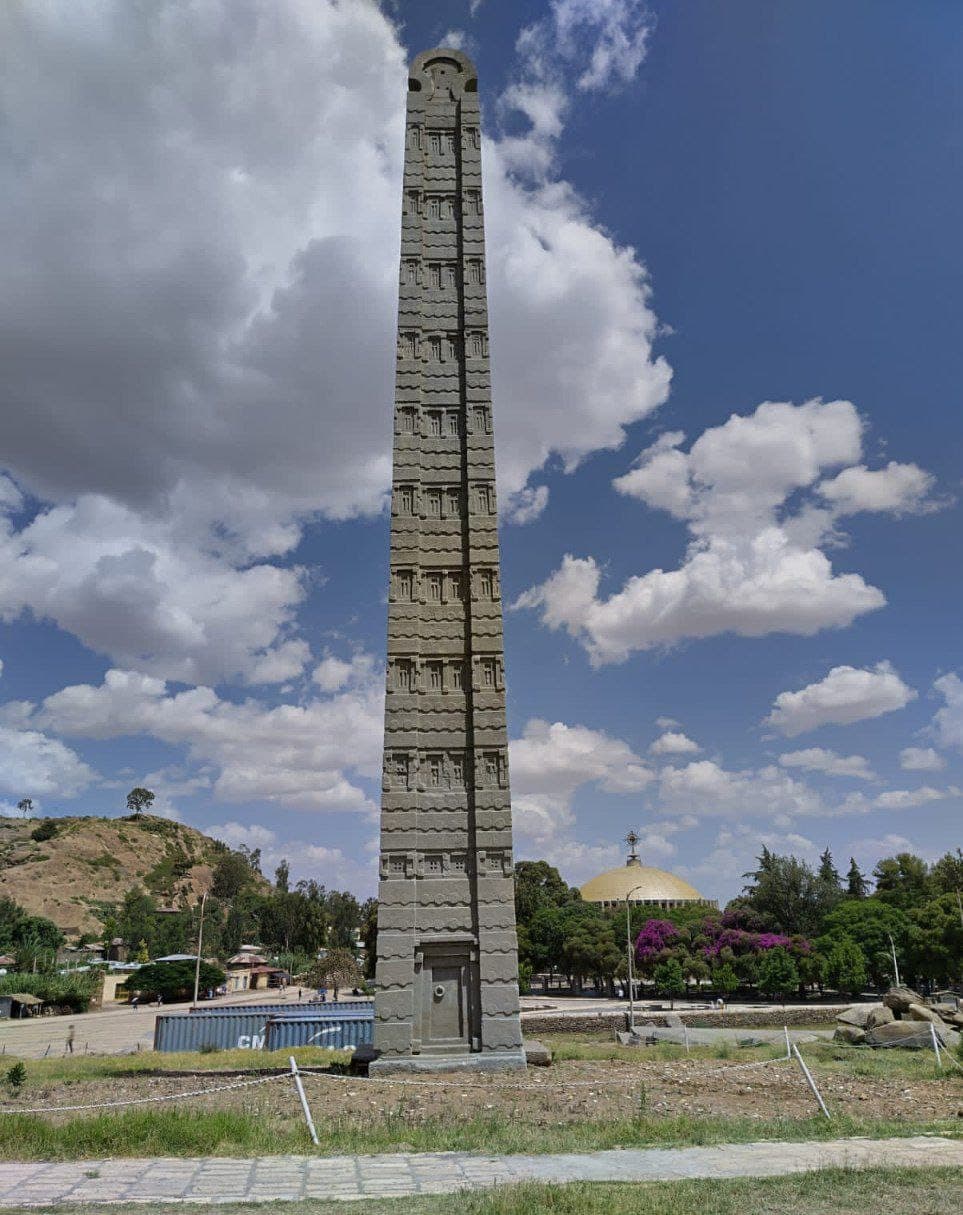
Budget smart for your Ethiopia trip
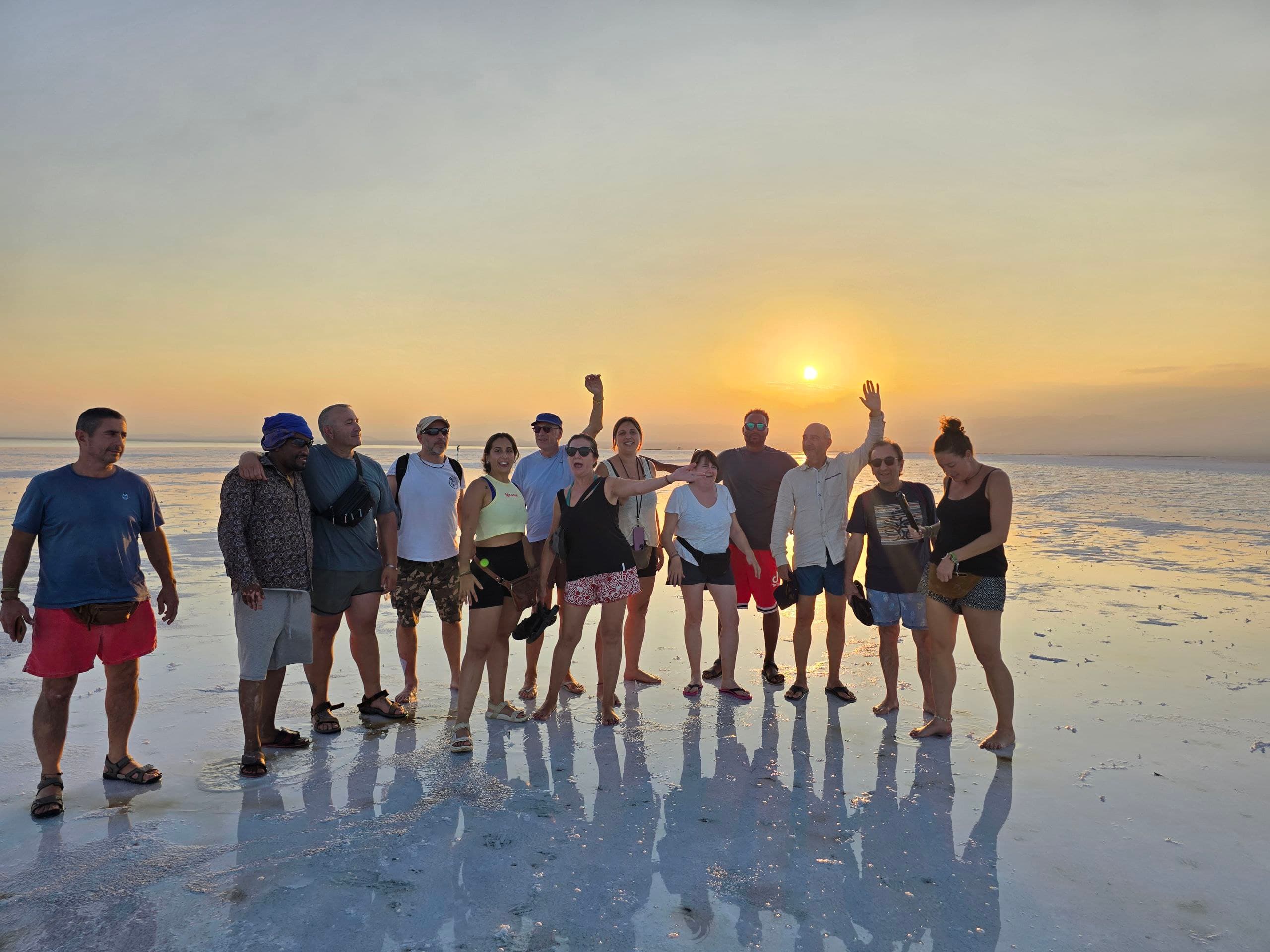
Ready to Experience Ethiopia?
Our expert local guides handle everything — visas, logistics, accommodation, and personalised itineraries tailored to your interests and budget.
Join Our Adventure Community
Subscribe to our newsletter for the latest safari updates, wildlife spotting tips, and exclusive tour offers. Be the first to know about our new adventure packages in Ethiopia's breathtaking national parks.
We respect your privacy. Unsubscribe at any time.